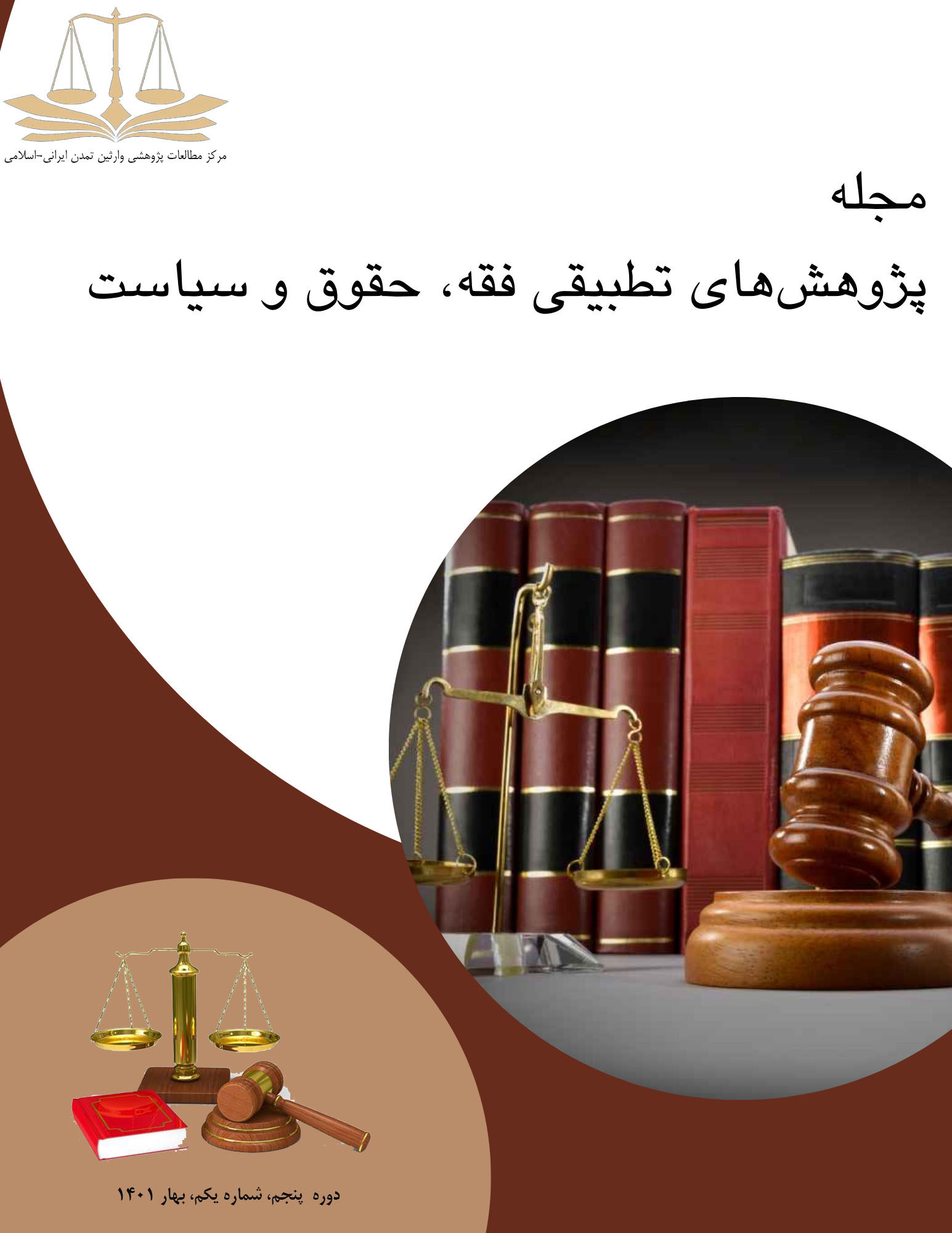
جایگاه آموزههای فقه امامیه در کنترل و کاهش منکرات اخلاقی
کلمات کلیدی:
فقه امامیه, آموزههای فقهی, منکرات اخلاقی, کنترل اجتماعی, امر به معروف و نهی از منکرچکیده
منکرات اخلاقی از جمله آسیبهایی است که میتواند سلامت اخلاقی و اجتماعی جامعه را با چالش مواجه سازد و زمینه تضعیف ارزشهای انسانی و دینی را فراهم آورد. در این میان، فقه امامیه بهعنوان یکی از مهمترین نظامهای هنجاری در اندیشه اسلامی، علاوه بر تبیین احکام فردی، ظرفیتهای قابل توجهی برای هدایت رفتارهای اجتماعی و پیشگیری از گسترش منکرات اخلاقی در جامعه دارد. مسئله اصلی این پژوهش بررسی جایگاه آموزههای فقه امامیه در کنترل و کاهش منکرات اخلاقی و تبیین سازوکارهای فقهی مؤثر در این زمینه است. پژوهش حاضر با روش توصیفی–تحلیلی و با استفاده از منابع کتابخانهای و متون فقهی انجام شده است. یافتههای پژوهش نشان میدهد که آموزههایی همچون امر به معروف و نهی از منکر، حرمت اعانه بر اثم، منع اشاعه فحشا و برخی قواعد فقهی مرتبط با دفع مفسده و حفظ نظم اجتماعی، از مهمترین ابزارهای فقه امامیه در کنترل و کاهش منکرات اخلاقی به شمار میآیند. بر اساس نتایج این پژوهش، فقه امامیه با ارائه مجموعهای از اصول و قواعد هنجاری میتواند نقش مهمی در تقویت ارزشهای اخلاقی، پیشگیری از گسترش منکرات و ارتقای سلامت اخلاقی جامعه ایفا کند.
مراجع
Abdolhosseinzadeh, M., & Latifi, M. (2014). An Analysis of the Consequences and Effects of Establishing Prayer in Creating and Expanding an Islamic Lifestyle. Cultural Engineering, 9(82).
Abrahamsen, D. (1992). Criminal Psychology. Ganj-e Danesh Library.
Ahmadi, M. (2020). The Role of Hajj Rituals in Behavioral Reform and Reduction of Abnormalities. Ma'refat, 20(4).
Akhundi, M. B. (2017). The Effect of Levels of Religiosity on Reducing Social Deviations in Qur'anic Teachings. Religious Anthropology(37), 93-118.
Al-Bayani, J. f. (2006). Al-Afw. Islamic Research Foundation of Astan Quds Razavi.
Araki, M. A. (1993). Kitab al-Taharah. Islamic Propagation Office.
Azarbayjani, M., & Colleagues. (2005). Social Psychology with a View to Islamic Sources. Research Institute of Hawzah and University and SAMT Publications.
Babaei, M. A., & Najibian, A. (2011). Challenges of Situational Crime Prevention. Judiciary Law Journal(75).
Beheshti, M. (1981). The Mosque in Islam. Foundation for Publishing the Works of Shahid Beheshti.
Bokharaei, A. (2014). Sociology of Social Deviations in Iran. Jame'eh Shenasan Publications.
Bukhari, M. i. I. (2012). Sahih al-Bukhari. Sheikh al-Islam Ahmad Jam Publications.
Cheraghi Kotiani, E. (2019). The Mechanism of the Influence of Religious Beliefs in Reducing Social Harms. Islamic Studies of Social Harms, 1(2).
Davari, M. (2016). Strategies of Harsh Social Control from the Perspective of the Holy Qur'an. Islam and Social Sciences, 5(9).
Ezhei, J. (2014). Social Pathology with a View to Religions. SAMT Publications.
Haji-Tabar Firouzjaei, H. (2010). Situational Prevention of Victimization of At-Risk Children in Iran with Emphasis on English Laws and Regulations. Crime Prevention Studies Quarterly(17).
Haji Dehabadi, A. (2010). Rules of Criminal Jurisprudence. Research Institute of Hawzah and University.
Hoselehpoo, M., Mir Khalili, S. M., & Mohammadi, A. (2014). The Concept of Crime and Prevention and Their Theoretical Foundations in the Holy Qur'an. First International Congress on Religious Culture and Thought,
Innes, M. (2017). Understanding Social Control. Mizan Publications.
Jafari Langroudi, M. J. (2003). Comprehensive Legal Terminology (Vol. 2). Ganj-e Danesh.
Jafari, M. T. (1995). Translation and Commentary of Nahj al-Balaghah. Office for the Publication of Islamic Culture.
Javadi Amoli, A. (2007). Enjoining Good and Forbidding Evil in the Qur'an. Esra.
Karimzadeh, A. (2013). A Psychological Analysis of Fear of Punishment in the Hereafter in Ethical Prevention. Ethics in the Humanities(4), 90-103.
Khomeini, R. (1988). Kitab al-Bay' (Vol. 2). Institute for Compilation and Publication of Imam Khomeini's Works.
Khomeini, R. (1999). Sahifeh-ye Imam. Institute for Compilation and Publication of Imam Khomeini's Works.
Khomeini, R. (2004). Tahrir al-Wasilah. Dar al-Ilm Press Institute.
Khosrowshahi, G. (2001). The Philosophy of Qisas from the Perspective of Islam. Boostan-e Ketab.
Khosrowshahi, G., Hosseinabadi, H., & Javadi, H. (2016). Analysis of the Relationship between Components of Religious Identity and Crime Prevention. Criminal Law Research Quarterly, 5(17).
Mahdavi Hampa, K. (2019). Mechanisms and System of Social Control Based on Imami Jurisprudence. Islam and Social Sciences, 11(21).
Partovi, M. (2017). Examining the Effect of Religious Teachings on Crime Prevention and Control. Nowrouzi Publications.

دانلود
چاپ شده
ارسال
بازنگری
پذیرش
شماره
نوع مقاله
مجوز
حق نشر 2025 Mohammad Mehdi Tofiqian (Author); Forouzan Alaei Novin (Corresponding author); Mohammad Hossein Tavanaei Sareh Dini (Author)

این پروژه تحت مجوز بین المللی Creative Commons Attribution-NonCommercial 4.0 می باشد.