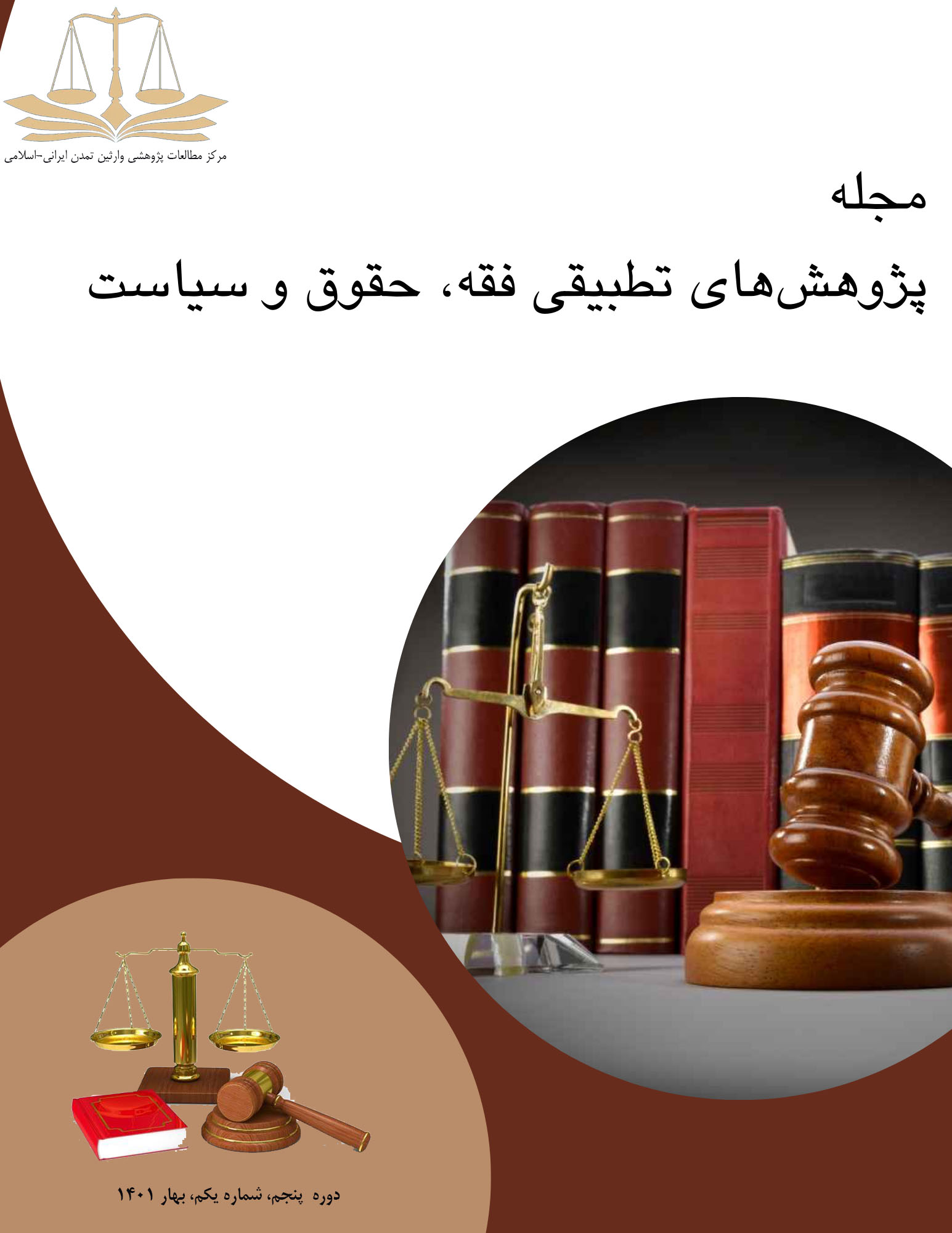
Fair trial in pre-Islamic Iran compared to Islamic teachings
DOI:
https://doi.org/10.61838/Keywords:
Justice, fair trial, impartiality, ancient Iran, Islamic teachingsAbstract
Fair trial is one of the important and key concepts of justice in the judicial system, which has numerous dimensions and examples. Numerous studies have been conducted on fair trial and its various dimensions. The purpose of the present article is to examine fair trial in pre-Islamic Iran in comparison with Islamic teachings. The following article is descriptive and analytical and uses a library method to examine the subject in question. The findings indicate that both in ancient Iran during the Achaemenid and especially Sasanian rule and in Islamic teachings, fair trial was of great importance and emphasis. The obligation of judges to be impartial and to judge fairly and the right to object to the verdict are among the most important evidences of fair trial in pre-Islamic Iran. The impartiality of the judge and the equality of all before the law, the right to a lawyer, and the defendant's defense rights such as citing witnesses are among the most important examples of fair trial that have been emphasized in Islam. The richest Islamic source in this regard is perhaps the life of Imam Ali (AS), who always emphasized the observance of justice in proceedings and even advised judges to treat both parties to the dispute equally.
Publication Timeline
- Submitted
- Revised
- Accepted
Issue
Section
License
Copyright (c) 2025 عظیمه بیگلری کامی (نویسنده); احمدرضا بهنیافر (نویسنده مسئول); داود داداش نژاد دلشاد (نویسنده)

This work is licensed under a Creative Commons Attribution-NonCommercial 4.0 International License.