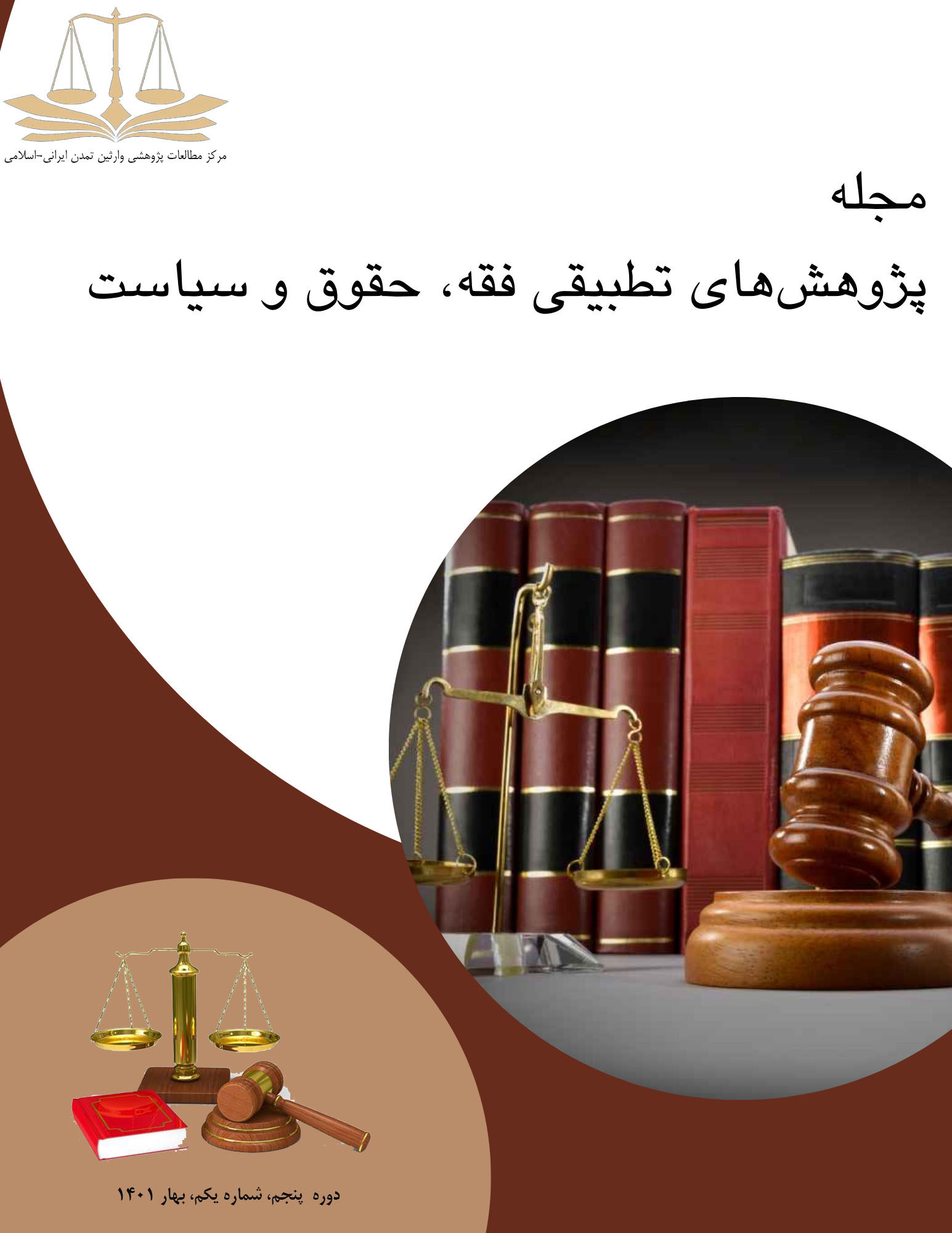
تأمّلی بر تأثیرپذیریِ اصل برائت و الزامات ناشی از آن از جهانی شدنِ دادرسی کیفری (مطالعه تطبیقی حقوق ایران و اتحادیه اروپا)
DOI::
https://doi.org/10.61838/csjlp.414کلمات کلیدی:
آخرین دفاع, اصل برائت, تفهیم اتّهام, جهانی شدن, حق سکوت, دادرسی کیفریچکیده
در دهههای اخیر، جهانی شدن به مثابه یک فرآیند، تمامیِ جنبههای زندگی اجتماعی را متأثر از خویش کرده است. حقوق کیفری نیز از قاعده مزبور مستثناء نبوده و پذیرای تغییرات ناشی از جهانی شدن در ابعاد ماهوی و شکلی بوده است. در این پژوهش به شیوه توصیفی - تحلیلی و اتّخاذ رویکرد تطبیقی به تبیین و ارزیابی تأثیرپذیریِ اصل برائت و مهمترین الزامات ناشی از آن (لزوم تفهیم اتّهام، پذیرش حق سکوت و ضرورت اخذ آخرین دفاع از متهم) از جهانی شدنِ دادرسی کیفری در نظامهای حقوقی اتحادیه اروپا و ایران پرداخته شده است. یافتههای پژوهش نشان میدهد که در ارتباط با الزام تفهیم اتّهام، در هردو نظام حقوقیِ مورد اشاره، نوع، شدّت و جهانی بودنِ جرم ارتکابی، مجوّزی برای عدول از موازین قانونیِ مرتبط با الزام فوق الاشاره نیست. درخصوص حق سکوت متهم، عدم ذکر صریح آن در کنوانسیون اروپایی حقوق بشر و تلقی دیوان اروپایی حقوق بشر از حق سکوت به مثابه قرینه مجرمیت در جرائم سازمانیافته و تروریستی و عدول از موازین حق سکوت در قوانین و آییننامههای مرتبط با پولشویی در نظام حقوقی ایران، تأثیرپذیریِ قابل توجّه آن از جهانی شدن دادرسی کیفری را نشان میدهد و در نهایت، در مورد اخذ آخرین دفاع از متّهم، با وجود عدم تصریح در کنوانسیون اروپایی حقوق بشر و فقدان ضمانت اجرا در نظام حقوقی ایران، بررسی رویه قضایی در هردو نظام حقوقیِ مورد اشاره، حاکی است که شدّت، نوع و یا برون مرزی بودن جرم ارتکابی، مستمسکی به منظور استنکاف از اخذ آخرین دفاع از متهم نیست.
مراجع
Asadi, D. (2009). Principles Governing Criminal Justice in Iranian Law. Quarterly Journal of Security and Order Research, 2(4), 98-71. https://www.sid.ir/paper/188864/fa
Babaei Rad, V., & Malmir, M. (2020). The Process of Globalized Criminal Procedure Principles from the Perspective of International Approaches. Scientific Quarterly Journal of Free Legal Research, 13(50), 348-335. https://journals.iau.ir/article_690512.html
Bahrami, N. (2012). The Right to a Fair Trial in Preliminary Investigations in the Jurisprudence of the European Court of Human Rights. Journal of Legal Research, 11(21), 132-115. https://jlr.sdil.ac.ir/article_34429.html
Brems, E., & Lavrysen, L. (2013). Procedural Justice in Human Rights Adjudication: The European Court of Human Rights. Human Rights Quarterly, 35(1). https://doi.org/10.1353/hrq.2013.0000
Delmas-Marty, M. (2008). Major Systems of Criminal Policy (Vol. 2). Mizan Publications. http://... (URL if available)
Ghadamian Sheikh Abadi, E. (2017). Informing the Charge in the Prosecutor's Office and Its Effects in the Iranian Criminal System Compared to France Islamic Azad University, Naragh Branch, Faculty of Humanities].
Ghasemi Moghadam, H. (2015). Informing Defendants of Their Rights by Judicial Officers: Emphasizing the 2013 Criminal Procedure Act. Biannual Journal of Criminal Law Research, 6(2), 153-129. https://www.sid.ir/fA/Journal/ViewPaper.aspx?id=294916
Giddens, A. (2020). The Consequences of Modernity. Markazi Publications.
Goldoust Jouybari, R., Mir Kamali, A., & Ghabli, Z. (2018). Innovations in the Criminal Procedure Act of 2013 Regarding the Defensive Rights of the Defendant in the Preliminary Investigation Stage. Biannual Journal of Knowledge and Legal Research, 4(1), 100-177. https://ajkrl.scu.ac.ir/article_14009.html
Golkhandan, S., Khosravi, H., Rajabi, A., & Khalili, D. (2010). A Comparative Study of the Effects of the Principle of Presumption of Innocence at the Preliminary Investigation Stage in International Documents, Iranian Criminal Law, and Other Legal Systems. Specialized Quarterly Journal of Jurisprudence and Islamic Legal Foundations, 6(20), 142-115. https://www.noormags.ir/view/fa/articlepage/1058735/
Habibzadeh, M. J., & Sadeghi, V. (2016). Identifying and Managing the Defendant's Right to Silence. Judicial Law Journal, 80(95), 81-61. https://www.jlj.ir/article_23180.html
Hajideh Abadi, A., & Akrami Sarab, R. (2010). The Jurisprudential Foundations of the Defendant's Right to Silence in Criminal Cases. Quarterly Journal of Islamic Law, 7(25), 62-35. https://hoquq.iict.ac.ir/article_18376.html
Halliday, T., & Osinsky, P. (2006). Globalization of Law. Annual Reviews of Sociology. https://doi.org/10.1146/annurev.soc.32.061604.123136
Javanmard, B. (2014). Special Criminal Procedure in Organized Crimes. Jungle Publications.
Khalili, V. (2020). The Defendant's Right to Silence in the Laws of Iran, Canada, and France Islamic Azad University, Ardabil Branch, Faculty of Law and Theology].
Mahmoudi Janki, F., & Jalil Piran, A. A. (2021). Informing the Charge in Iranian Criminal Law and the Jurisprudence of the European Court of Human Rights. Biannual Journal of Comparative Legal Studies, 12(1), 313-329. https://jcl.ut.ac.ir/article_82759.html
Mahra, N., & Mahmoudian Isfahani, K. (2017). Human Rights Obligations in Crime Investigation in the Iranian Legal System. Quarterly Journal of Public Law Studies, 47(2), 329-356. https://jplsq.ut.ac.ir/article_63101.html
Mensah, B. (2002). European Human Rights Case Summaries 1960-2000. Cavendish Publishing.
Moazzin Zadegan, H. A. (2000). Principles of Criminal Procedure from Imam Ali's (AS) Perspective. Misbah Quarterly(34), 40-25. https://ensani.ir/fa/article/262498/%D8%A7%D8%B5%D9%88%D9%84-%D8%AF%D8%A7%D8%AF%D8%B1%D8%B3%DB%8C-%DA%A9%DB%8C%D9%81%D8%B1%DB%8C-%D8%A7%D8%B2-%D8%AF%DB%8C%D8%AF%DA%AF%D8%A7%D9%87-%D8%A7%D9%85%D8%A7%D9%85-%D8%B9%D9%84%DB%8C-%D8%B9-
Moghadasi, M. B. (2007). A Human Rights Approach to the Duties and Powers of the Police in the Criminal Process in Iran Tarbiat Modares University, Faculty of Humanities].
Montazeri Asadi, F. (2006). The Right of Defense in Preliminary Investigations University of Tehran, Faculty of Law and Political Science].
Moqimi, M., & Sofi Zomorrod, M. (2018). The Concept and Scope of Organized Crimes in the Islamic Penal Code (Approved in 2013). Quarterly Journal of Detective Studies, 11(44), 64-47. https://www.noormags.ir/view/fa/articlepage/1422285/
Najafi Abherndabi, A. H. (2005). Criminal Law at the Threshold of the Third Millennium: An Introduction to Fundamental Criminal Concepts by George P. Fletcher. Astan Quds Razavi Publications.
Nezhendi Manesh, H., & Bazar, V. (2018). Globalization and Its Consequences for the State. Quarterly Journal of Treaty Legal Research, 2(4), 196-175. https://www.mo-lawresearch.ir/article_85017.html
Robertson, R. (2014). Globalization: Social Theories and Global Culture. Thalith Publications. https://books.google.com/books/about/Globalization.html?id=gmCJCwAAQBAJ
Salehi, J. (2020). The Relationship Between the Defendant's Right to Silence and the Principle of Non-Self-Incrimination and Its Enforcement in Iranian Criminal Law and the Judicial Practices of the United States. Quarterly Journal of Criminal Law and Criminology Research, 8(15), 30-37. https://jclc.sdil.ac.ir/article_110515.html
Salehi, J. (2021). Comparative Aspects of the Prohibition of Interpreting the Commission of a Crime from the Defendant's Silence in Criminal Law and Judicial Practices of Iranian and American Courts. Quarterly Journal of Criminal Law and Criminology Research, 9(17), 125-103. https://jclc.sdil.ac.ir/article_133152.html
Salehi, J., & Sokhanvar, M. R. (2010). Components of the Defendant's Right to Speak in Domestic Laws and International Documents. Judgment Journal(6), 35-32. https://www.noormags.ir/view/fa/articlepage/602952/
Saqian, M. M. (2014). Strengthening the Rights and Freedoms of the Defendant in the Preliminary Investigation Stage of the Criminal Procedure Act of 2013. Quarterly Journal of Criminal Law Research, 2(6), 136-113. https://jclr.atu.ac.ir/article_663.html?lang=fa
Shahabi, M., & Rahmati Far, S. (2013). The Evolution of the Legal Rule-Making Process in the Era of Globalization of Law. Quarterly Journal of Strategic Studies in Public Policy, 4(13), 128-104. https://www.noormags.ir/view/fa/articlepage/1790130/
Shahriari, M., Shadmanfar, M. R., Heydari, M., & Youssefzadeh, A. (2020). Differential Criminal Procedure in Money Laundering with a Security Approach. Quarterly Journal of International Legal Research, 13(47), 433-415. https://journals.iau.ir/article_688693.html
Shakeri, A., & Narimani Konari, Y. (2013). Obtaining the Final Defense from the Defendant in Iranian Law. Journal of Legal Studies, Shiraz University, 5(2), 135-105. https://www.noormags.ir/view/fa/articlepage/1007619/
Shamloo, B. (2002). The Principle of Presumption of Innocence in Modern Judicial Systems. Samt Publications. http://... (URL if available)
دانلود
گاهشمار انتشار
- ارسال
- بازنگری
- پذیرش
شماره
نوع مقاله
مجوز
حق نشر 2025 Mehdi Yousef Alizadeh (Author); Abbas SheikhoIeslami (Corresponding author); Farhad Shahideh (Author)

این پروژه تحت مجوز بین المللی Creative Commons Attribution-NonCommercial 4.0 می باشد.