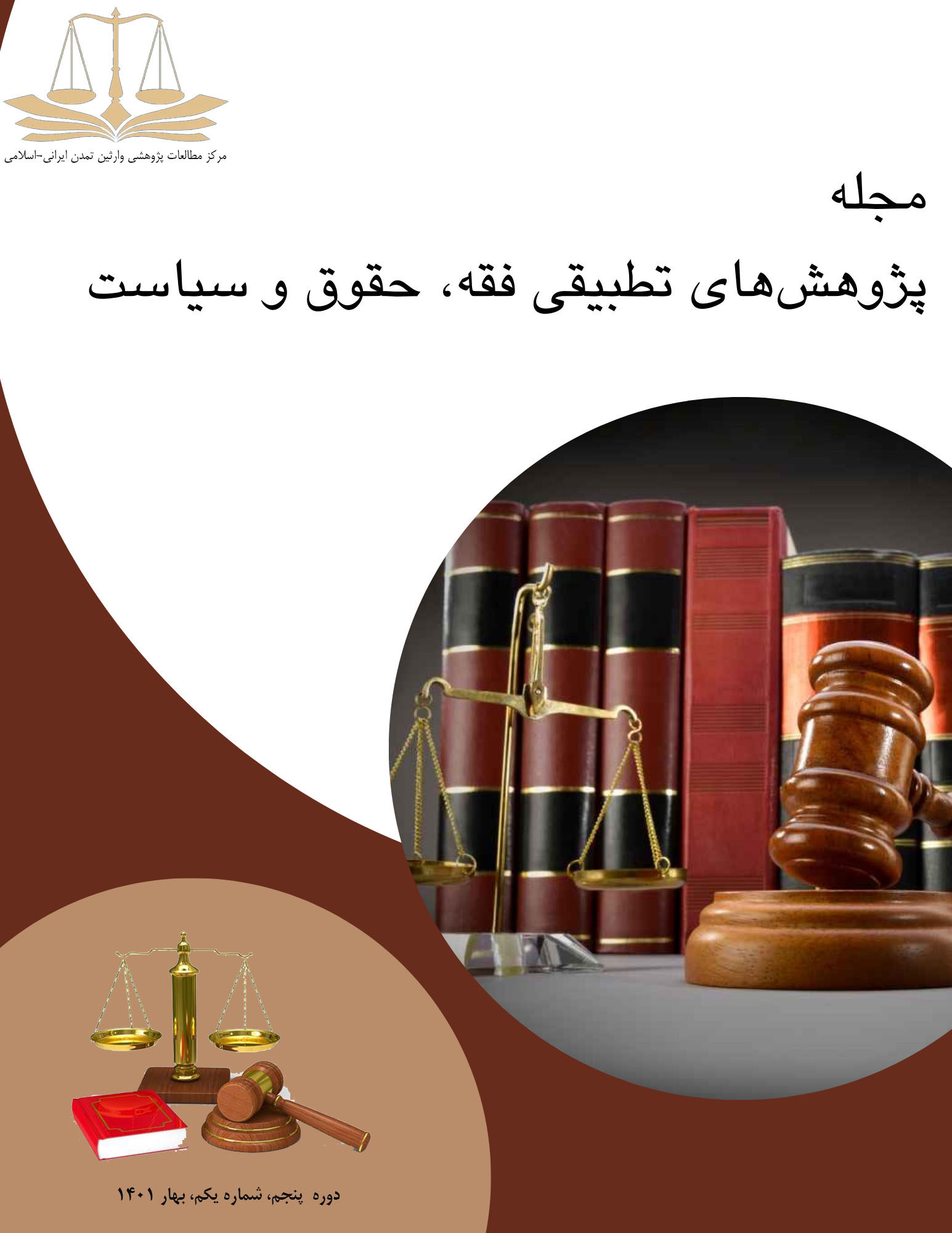
بررسی حقوقی ادله مدنی در نظام حقوقی ایران و قواعد ادله فدرال آمریکا
DOI::
https://doi.org/10.61838/csjlp.601کلمات کلیدی:
ادله, ادله مدنی, دعوی, ادله فدرال آمریکاچکیده
پژوهش حاضر به روش توصیفی-تطبیقی به بررسی حقوقی ادله مدنی در نظام حقوقی ایران و قواعد ادله فدرال آمریکا پرداخته است. تحول نظامهای حقوقی در جوامع پیشرفته و در بخش قواعد اثبات دعوا با هدف رسیدن به قضاوت واقعی و تحقق عدالت به سمت توسعه اختیارات قضات برای کشف واقع و نه صرفاً فصل خصومت صورت گرفته و مهمترین ابزار برای وصول به این هدف امکان ارزیابی ادله اثبات دعوا توسط دادرسان میباشد ارزیابی دلیل به معنی قضاوت در مورد ارزش و شایستگی هر یک از ادله است که این مفهوم نیز در ارتباط با هر دعوا و به تبع مجموعه شرایط و اوضاع و احوال حاکم بر پرونده متفاوت خواهد بود به عبارت دیگر جایگاه و نتیجه حاصله از ارزیابی دلیل در مواقعی که به صورت مطلق و تئوریک مورد بررسی قرار میگیرد نسبت به زمانی که مرتبط با موضوع خاص تجزیه و تحلیل میگردد یکسان نبوده و در اکثر موارد طریقیت آن برای رسیدن به واقع و کشف حقیقت بر موضوعیتش غلبه مییابد. در واقع،وقتی کسی ادعایی دارد بر اساس قاعده مکلف است صحت آن را اثبات کند تا از این طریق وجدان دادرس را قانع و او را وادار نماید به نفعش حکم صادر کند. این اقدام که موجب نمایاندن و تحقق حق مورد ادعا در دادرسی است را مرحله اثبات و حوزه وجود اشیاء را که چنین فرض میشود، ارکان تحقق نهادی فراهم است و در وقوع رویداد موضوع کاوش تردید نیست و واقع را چنان که هست دریافته ایم، یعنی مرحله تحقق اشیاء و تحقق عمل در عالم واقع را مرحله ثبوت میدانند.مرحله اثبات که به معنای راه یافتن و شناختن حق از راه توسل به رویدادی است و با مقوله فهم و ادراک رابطه تنگاتنگی دارد گامی پس از ثبوت است، که بوسیله (دلیل) صورت میپذیرد. ادله اثبات دعوا یا طریق القاضی که به اثبات موضوع حق میپردازد مجموعه وسایلی است که برای اثبات دعوا در مراجع قضایی مورد استفاده قرار میگیرد تا دادرس را به واقع هدایت و وجدان او را در شناخت حقیقت قانع کند، زیرا دلیل زمانی به هدف نهایی خود میرسد که دادرس را قانع سازد که در این میان نقش مهم دادرس در بررسی و ارزیابی دلایل این است که بتواند عالم اثبات را با ثبوت تطبیق داده و احراز واقع نماید.
مراجع
Abouloud, R. (1993). Principles of Evidence in Civil and Foreign Matters (1 ed.). Al-Dar Al-Jameia.
Aghighi, M. R. (2002). Validity of the Judge’s Knowledge in Proof of Claims University of Tehran].
Akhundi, M. (2012). Criminal Procedure Code (13 ed., Vol. 5). Ministry of Culture Publishing.
Anvari, H. (2011). Sokhan Persian Dictionary (7 ed.). Sokhan Publications.
Ashouri, M. (2023). Criminal Procedure Code (23 ed., Vol. 2). SAMT Publications.
Azarbaijani, A. (2008). System of Evidence Evaluation in Iranian and French Law Qom Campus, University of Tehran].
Azimi, M. (2002). Evidence of Proof (1 ed.). Had Publishing.
Diani, A. (2018). Evidence of Proof in Civil and Criminal Matters (2 ed., Vol. 1). Tadris Publishing.
Farkman, A., & Grisch, T. (2009). Judiciary in Germany (1 ed.). SAMT Publications.
Ghamami, M., & Azin, M. (2009). Interactive Role of Judge and Parties in Proof and Evaluation of Factual Matters in Civil Procedure. Law Faculty Quarterly, 39.
Joneidi, L. (1997). Governing Law in International Commercial Arbitration (1 ed.). Dadgostar.
Karimi, A. (2023). Evidence of Proof (9 ed., Vol. 1). Mizan Publishing.
Katouzian, N. (2022). Philosophy of Law (3 ed., Vol. 3). Ganj-e Danesh.
Katouzian, N. (2024a). Introduction to Law (27 ed.). Ganj-e Danesh.
Katouzian, N. (2024b). Terminology of Law (13 ed.). Mizan Publishing.
Khomeini, R. (2015). Translation of Tahrir al-Wasila (4 ed., Vol. 2). Institute for Compilation and Publication of Imam Khomeini’s Works.
Madani, J. a.-D. (2014). Evidence of Proof (91 ed.). Majd Publications.
Marqos, S. (2002). Principles of Proof and Its Implementation in Civil Law in Egypt Compared with Other Arab Countries (1 ed.). Alam Al-Kotob.
Moein, M. (2013). Moein Persian Dictionary (27 ed.). Amir Kabir.
Peymani, Z. (1977). Judicial Evidence in the Law of the French Revolution (1 ed.). Khorrami Printing House.
Pour Ostād, M. (2019). Principles and Rules of Transnational Civil Procedure (2 ed.). Institute for Legal Studies and Research.
Rashvand Boukani, M. (2018). Judicial Independence in Iran, the United States, and France (1 ed.). Center for Islamic Revolution Documents.
Safaei, H. (1985). The Concept of Gross Negligence in Relation to Exclusion of Liability Clauses. International Law Journal(4).
Sheikh Nia, A. H. (1996). Evidence of Proof (1 ed., Vol. 3). Enteshar Company.
Shiravi, A. (2012). International Commercial Arbitration (1 ed.). SAMT Publications.
Tadayyon, A. (2016). Collection of Evidence in Criminal Procedure (3 ed., Vol. 1). Mizan Publishing.
Taheri, M. A. (2004). Determining the Regime of Criminal Evidence in Iran’s Judicial System (1 ed.). SAMT Publications.
دانلود
گاهشمار انتشار
- ارسال
- بازنگری
- پذیرش
شماره
نوع مقاله
مجوز
حق نشر 2025 Vahid Rezaei, Hamidreza Ali Karimi, Vahid Ghasemi Ahd (Author)

این پروژه تحت مجوز بین المللی Creative Commons Attribution-NonCommercial 4.0 می باشد.